
GTTC Courses in 2026: Tool, Die & CNC Explained
⏱ 7 min read
Quick Answer
The main GTTC courses are three full-time diplomas — Tool & Die Making, Precision Manufacturing (the CNC track), and Mechatronics — each 3 years plus 1 year of paid in-plant training, open after SSLC (10th), and approved by AICTE. Fresh GTTC diploma holders typically start around ₹1.8–3 LPA, with the Bengaluru centre reporting a top package of ₹6 LPA in its last released placement data (Collegedunia, 2025). Tool & Die is the highest-scarcity, highest-loyalty skill of the three.
If you are weighing the GTTC courses for your child after 10th, here is the honest 2-line answer first: GTTC runs three core diplomas — Tool & Die Making, Precision Manufacturing (CNC), and Mechatronics — all AICTE-approved and built around real machines, not just theory (GTTC official, 2026). The one you pick decides whether your child becomes a rare, hard-to-replace specialist or one more general operator.
Register on Ayud Jobs & Get Hired Faster
Create your free profile, apply in one tap, and let recruiters find you. Your next opportunity is closer than you think.
I sit with students and parents in North Karnataka every week, and the same confusion comes up. Everyone has heard GTTC is “good for jobs,” but almost no one can tell the three diplomas apart. That is exactly why I map out the GTTC courses for every parent who asks — because choosing blind is how a bright kid ends up in the wrong track for four years.
Let me break down each one plainly, with fees, jobs, and the catch nobody mentions.
GTTC Courses Explained: The Three Diplomas That Matter
GTTC (Government Tool Room & Training Centre) was set up by the Government of Karnataka in 1972 with Danish support, and now runs centres across the state, including one in Kalaburagi (GTTC official, 2026). It is an autonomous body under the Department of Skill Development and a recognised scientific research organisation. The structure of all three diplomas is the same: 3 years at GTTC + 1 compulsory year of in-plant training in industry, with a stipend during that year (GTTC, 2026).
Now the differences that actually matter.
1. Diploma in Tool & Die Making
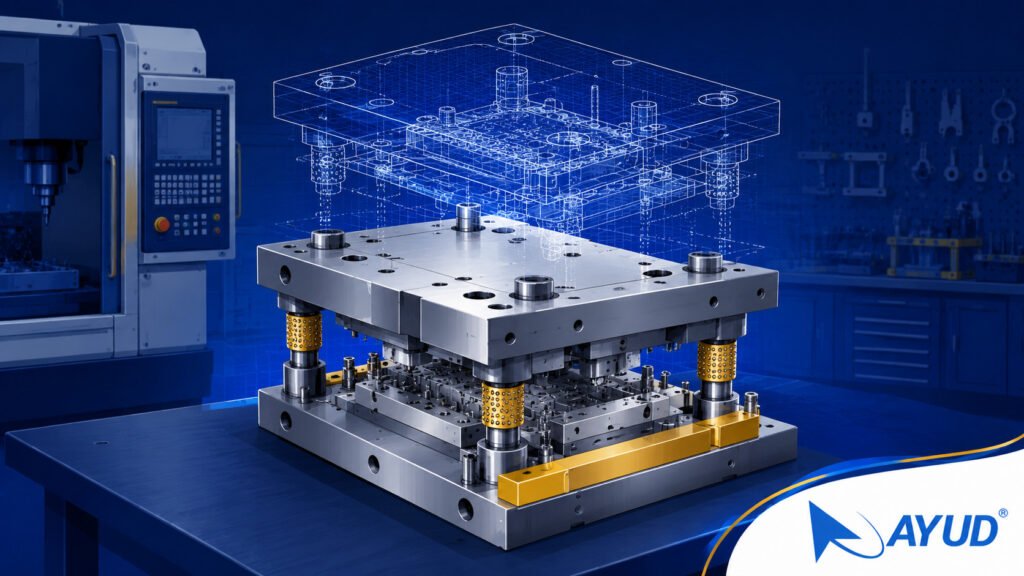
Of all the GTTC courses, Tool & Die Making is the oldest and the one GTTC is famous for. You learn to design and build the tools, dies, moulds and press tools that factories use to mass-produce everything from car parts to medical devices. The syllabus covers press-tool theory, mould design, die casting, metrology, and software like SolidWorks, Unigraphics and CNC/CAD (GTTC, 2026).

Why it matters: a tool & die maker is not easily replaced. The skill takes years to build, so demand stays steady and factories hold on to good people. Alumni have become designers, programmers, managers, and even started their own tooling units in India and abroad (GTTC, 2026).
2. Diploma in Precision Manufacturing (the CNC track)
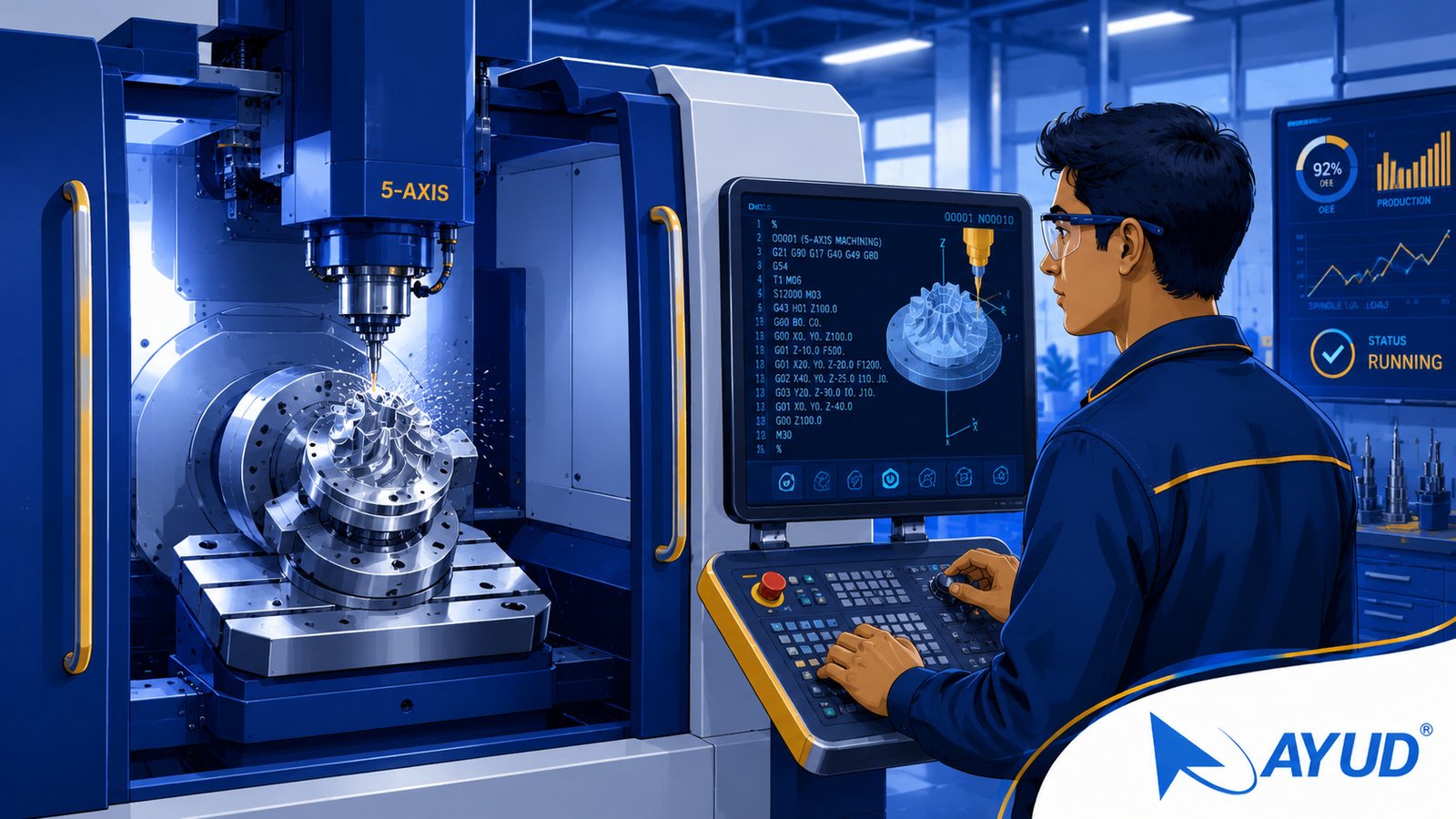
The CNC-focused GTTC courses teach you to run and program computer-controlled machines — 3-axis to 5-axis machining centres, CNC turning, wire EDM, and CMM inspection, the same high-end equipment GTTC’s own tool rooms use (Collegedunia, 2025). Precision Manufacturing is the diploma most centres, including Gulbarga, offer alongside Tool & Die.
This is a strong, practical, job-ready track. The honest catch: pure “operator” roles are where automation pressure is highest. The way to AI-proof it is to become the person who programs and sets up the CNC machine, not just presses start.
3. Diploma in Mechatronics
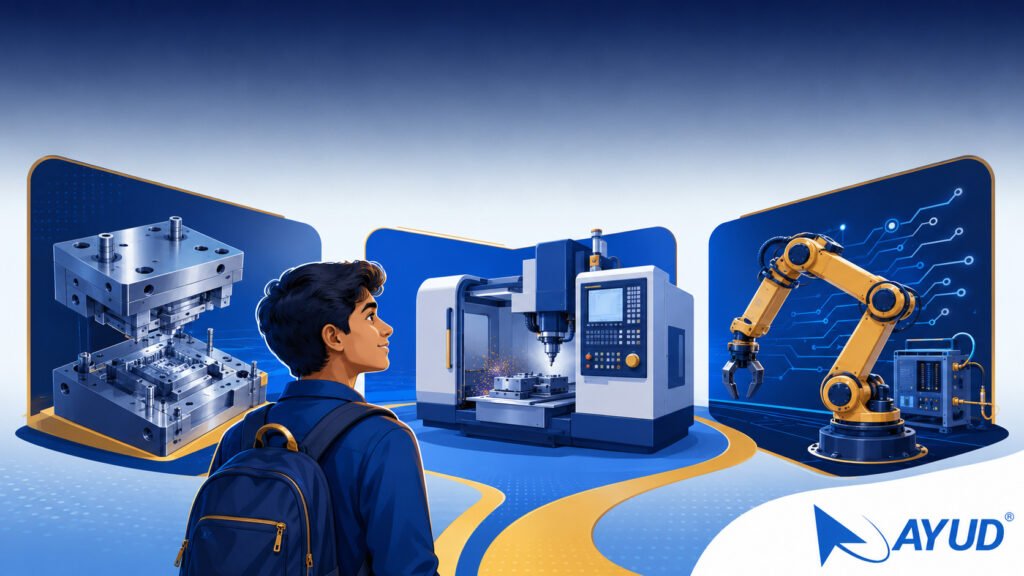
Among the newer GTTC courses, Mechatronics blends mechanical, electronics, and control/automation — the exact mix modern “smart factories” and robotics lines need. Some GTTC centres now also run Automation & Robotics and AI diplomas alongside it (GTTC official, 2026).
This is the most future-facing of the three. The trade-off is that it is broader, so a fresher must work harder to prove depth in one area rather than being a jack-of-all-trades.
Which of the GTTC courses is best for you?
The best of the GTTC courses depends on the student, not the brochure. Choose Tool & Die for the rarest, most durable skill and long-term loyalty from employers. Choose Precision Manufacturing (CNC) for the fastest hands-on factory job. Choose Mechatronics if you want the most automation-proof, future-facing path and can handle broader study.
GTTC Courses Compared at a Glance
Here is how the three GTTC courses stack up on the things parents actually ask about.
| Course | Duration | Eligibility | Best for | Ayud value tag |
|---|---|---|---|---|
| Tool & Die Making | 3 yrs + 1 yr in-plant | SSLC (10th) | Rare, hard-to-replace specialist | Scarcity |
| Precision Manufacturing (CNC) | 3 yrs + 1 yr in-plant | SSLC (10th) | Fast, practical factory job | Balanced |
| Mechatronics | 3 yrs + 1 yr in-plant | SSLC (10th) | Automation-proof, future roles | Balanced → Scarce |
Fee note: GTTC diploma first-year fees are low for a government institute (Bengaluru centre ~₹19,250 first year, plus ₹500 admission fee, Collegedunia 2025). Confirm the current Kalaburagi figure before you apply.

Short-term GTTC courses worth knowing
Beyond the diplomas, several short-term GTTC courses run under skill schemes like CMKKY (Chief Minister’s Kaushalya Karnataka Yojane) — CNC Operator (Turning), CNC Programmer, conventional milling/turning, and design-software modules of a few months each (GTTC, 2026). These are ideal if you want a quick, cheap skill upgrade without committing four years.
The Ayud Lens: Scarcity, Balanced, Overvalued
This is where the GTTC courses get interesting when you apply the Ayud value framing. A skill is worth most when it is scarce — hard to learn, hard to automate, and in steady demand.
- Scarce (highest value): Tool & Die Making. Years to master, machines can’t replace the judgement, factories fight to keep good people.
- Balanced (solid, protect it): Precision Manufacturing / CNC. Great job entry, but push toward programming and setup, not button-pushing.
- Watch for “overvalued” thinking: assuming any diploma equals a great salary. It does not. The track and how deep you go decide the pay.
Here is the catch nobody says out loud: a GTTC tag opens the door, but the market pays for the specific, scarce skill behind it — not the certificate alone.
A real story from North Karnataka
Last year a boy from a village near Kalaburagi came to me after scoring average marks in SSLC. His family assumed engineering degree or nothing. He picked one of the GTTC courses — Tool & Die — almost by accident, because a neighbour worked in a tool room. Three years later he is in paid in-plant training, handling die work most graduates can’t touch, and already fielding job talk. The “average” student found a rare skill. That is the GTTC story most people miss.
GTTC courses in Kalaburagi
The Kalaburagi centre (GTTC STU-07, running since the 1990s) offers the core GTTC courses — Diploma in Tool & Die Making and Diploma in Precision Manufacturing (Careers360, 2024–25). For North Karnataka families, this means a nationally respected, industry-linked technical diploma without leaving the region. Always confirm the current year’s seats and fees directly with the centre before applying.
Frequently Asked Questions
Which of the GTTC courses is best after 10th?
For the rarest, most secure skill, Tool & Die Making. For the quickest factory job, Precision Manufacturing (CNC). For the most future-proof path, Mechatronics. Match the choice to the student’s interest and patience, not just the salary rumour.
What is the eligibility for GTTC diploma courses?
You need to have passed SSLC (Class 10) or an equivalent exam. Admission for diplomas is based on SSLC marks; there is no separate entrance test for the diploma tracks (GTTC / Collegedunia, 2025).
Are GTTC courses recognised by AICTE?
Yes. GTTC is an autonomous Government of Karnataka institution, its diplomas are AICTE-approved, and higher programmes are affiliated to VTU (Collegedunia, 2025). It is also a recognised scientific research organisation.
What salary can I expect after a GTTC diploma?
Freshers typically start around ₹1.8–3 LPA, with skilled specialists earning more over time; the Bengaluru centre’s last released data showed a top package near ₹6 LPA (Collegedunia, 2025). Tool & Die specialists tend to climb fastest because the skill is scarce.
Is there paid training during the course?
Yes. The 4th year is compulsory in-plant training in a real industry, and students receive a stipend during that period (GTTC, 2026).
The bottom line
The three GTTC courses are not equal, and choosing well is worth more than any coaching class. Tool & Die gives you scarcity, CNC gives you a fast start, Mechatronics gives you a future-facing edge — and all three beat a random degree with no skill behind it, especially in an AI-anxious job market that now rewards “which skill?” over “which degree?”.
Before you lock in one of the GTTC courses, get an honest read on which track fits your child’s real strengths. Take the free GoTestIt self-assessment on Ayud — it takes minutes and points you toward the track where your child will actually shine.
Register on Ayud Jobs & Get Hired Faster
Create your free profile, apply in one tap, and let recruiters find you. Your next opportunity is closer than you think.